
Building Retaining Walls in Blue Ridge: Top Considerations


Building retaining walls in Blue Ridge can be a rewarding project that enhances both the aesthetic and functional aspects of your landscape. However, it requires careful planning and execution. Here are some top considerations to keep in mind as you embark on this journey.
Understanding the Purpose
Before starting, it’s crucial to understand why you need a retaining wall. Whether it's for preventing soil erosion, leveling a sloped yard, or adding a decorative element, the purpose will guide every aspect of the design and construction. Clearly defining your goals will help you make informed decisions throughout the process.
Retaining walls can also increase property value by adding usable space and improving curb appeal. Consider how the wall will integrate with existing features for maximum impact.
Choosing the Right Materials
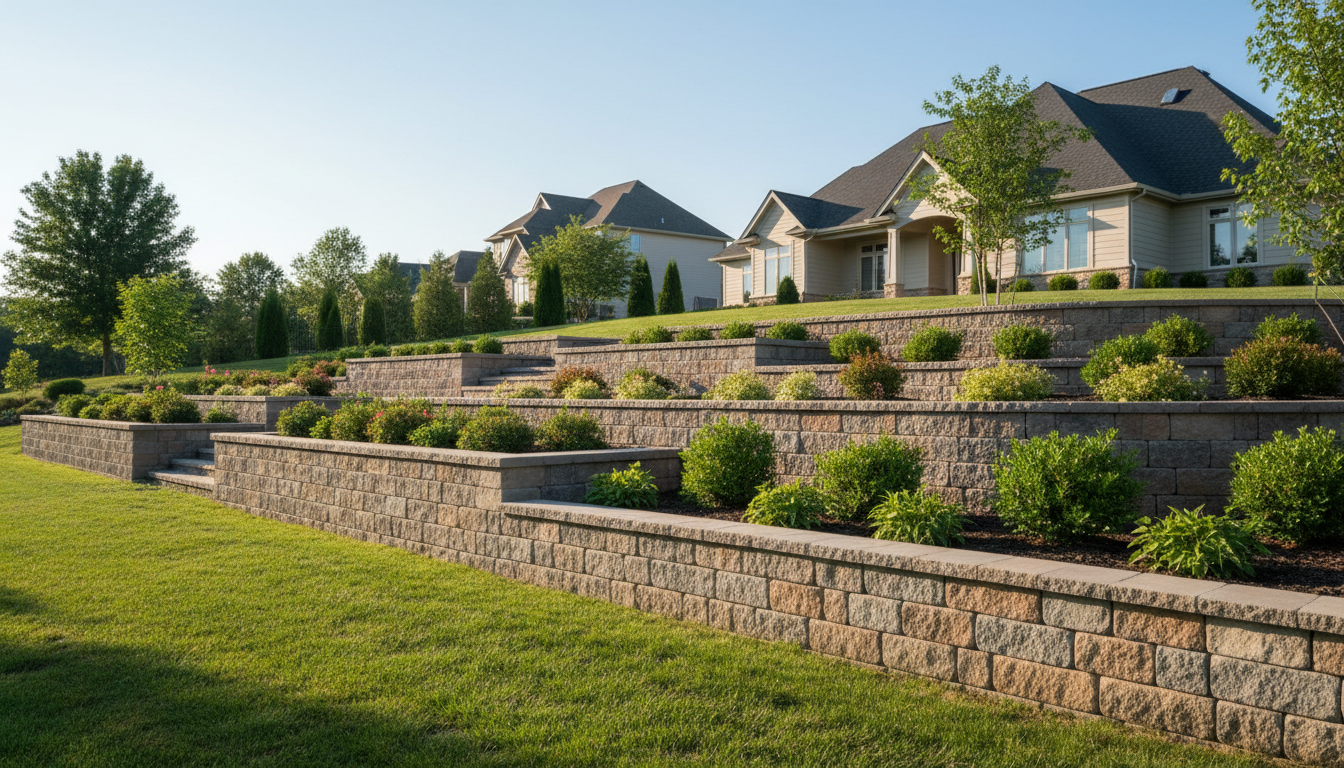
The materials you choose for your retaining wall will affect its durability, maintenance needs, and appearance. Common options include concrete blocks, natural stone, wood, and brick. Each material has its pros and cons, so weigh them carefully based on your budget, aesthetic preferences, and the wall's purpose.
Concrete Blocks
Concrete blocks are popular due to their strength and versatility. They are available in various shapes and colors, allowing for creative designs. However, they can be more expensive than some alternatives.
Natural Stone
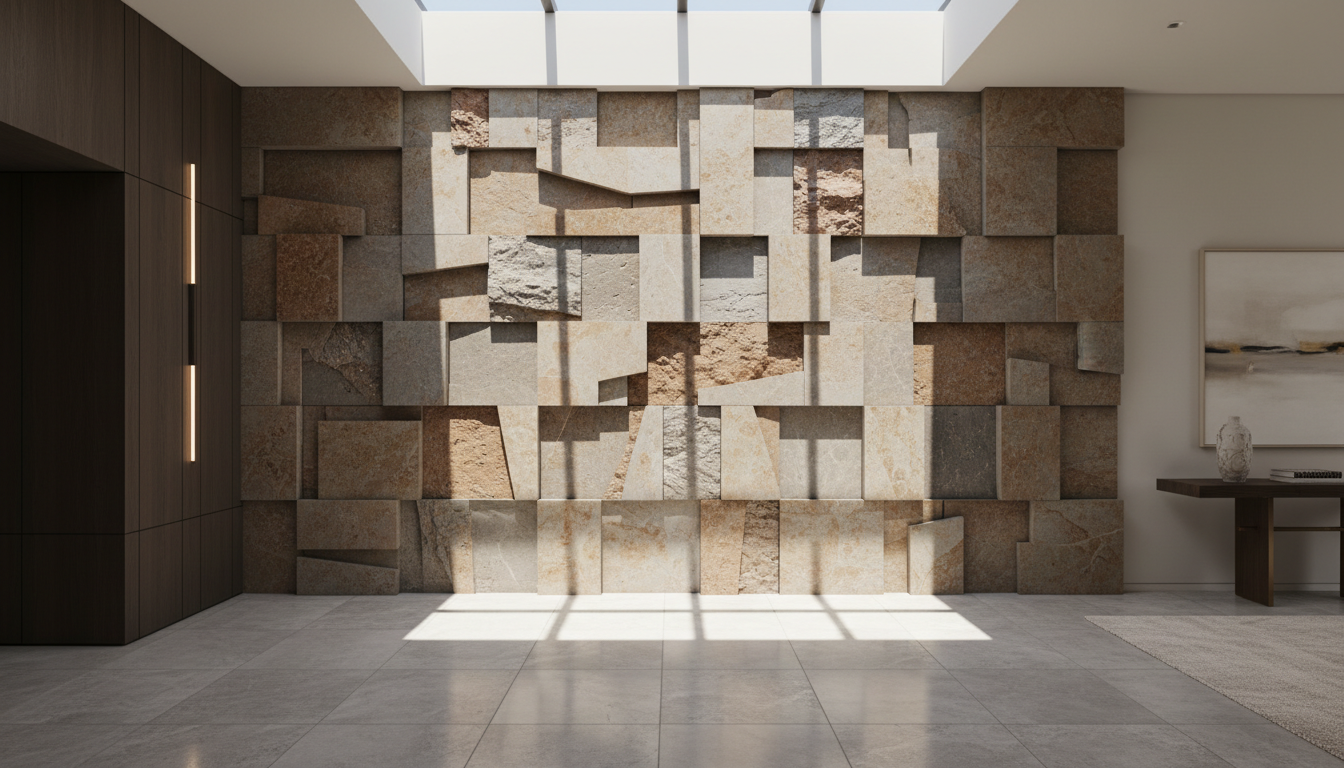
For a timeless and organic look, natural stone is an excellent choice. While potentially more costly and labor-intensive to install, stone offers unmatched beauty and blends seamlessly with the natural landscape.
Proper Drainage
One of the most critical aspects of building a retaining wall is ensuring proper drainage. Without it, water can build up behind the wall, leading to increased pressure and potential failure. Incorporating drainage solutions like gravel backfill and weep holes will help manage water flow and extend the wall's lifespan.
Consider consulting with a professional to ensure your drainage plan is effective, especially if the wall will retain a significant amount of soil or water.
Local Regulations and Permits
Before breaking ground, check local building codes and regulations in Blue Ridge. Depending on the size and location of your retaining wall, permits may be required. Adhering to regulations not only ensures safety but also prevents future legal issues.

Consult with local authorities or a professional contractor to determine the necessary steps to comply with all legal requirements. This may also include considerations for environmental impact and historical preservation.
Hiring a Professional vs. DIY
Deciding whether to hire a professional or undertake the project yourself depends on various factors, including your budget, time, and expertise. While DIY projects can save money, they may require significant time and effort, especially for larger or more complex walls.
On the other hand, hiring a professional can provide peace of mind, ensuring proper construction and adherence to local codes. Professionals bring experience and knowledge that can prevent costly mistakes.