
DIY vs. Professional Carpentry: What You Need to Know


Understanding DIY Carpentry
Do-it-yourself carpentry can be a fulfilling and cost-effective way to tackle home improvement projects. Many people enjoy the satisfaction of creating something with their own hands and the ability to customize their projects to their exact specifications. However, DIY carpentry requires a certain level of skill and a significant investment in tools.
Before starting a DIY project, consider your experience level. If you're a beginner, start with smaller projects like a simple shelf or birdhouse. As you gain more confidence and skills, you can move on to more complex tasks such as building furniture or remodeling a room.
The Benefits of Professional Carpentry
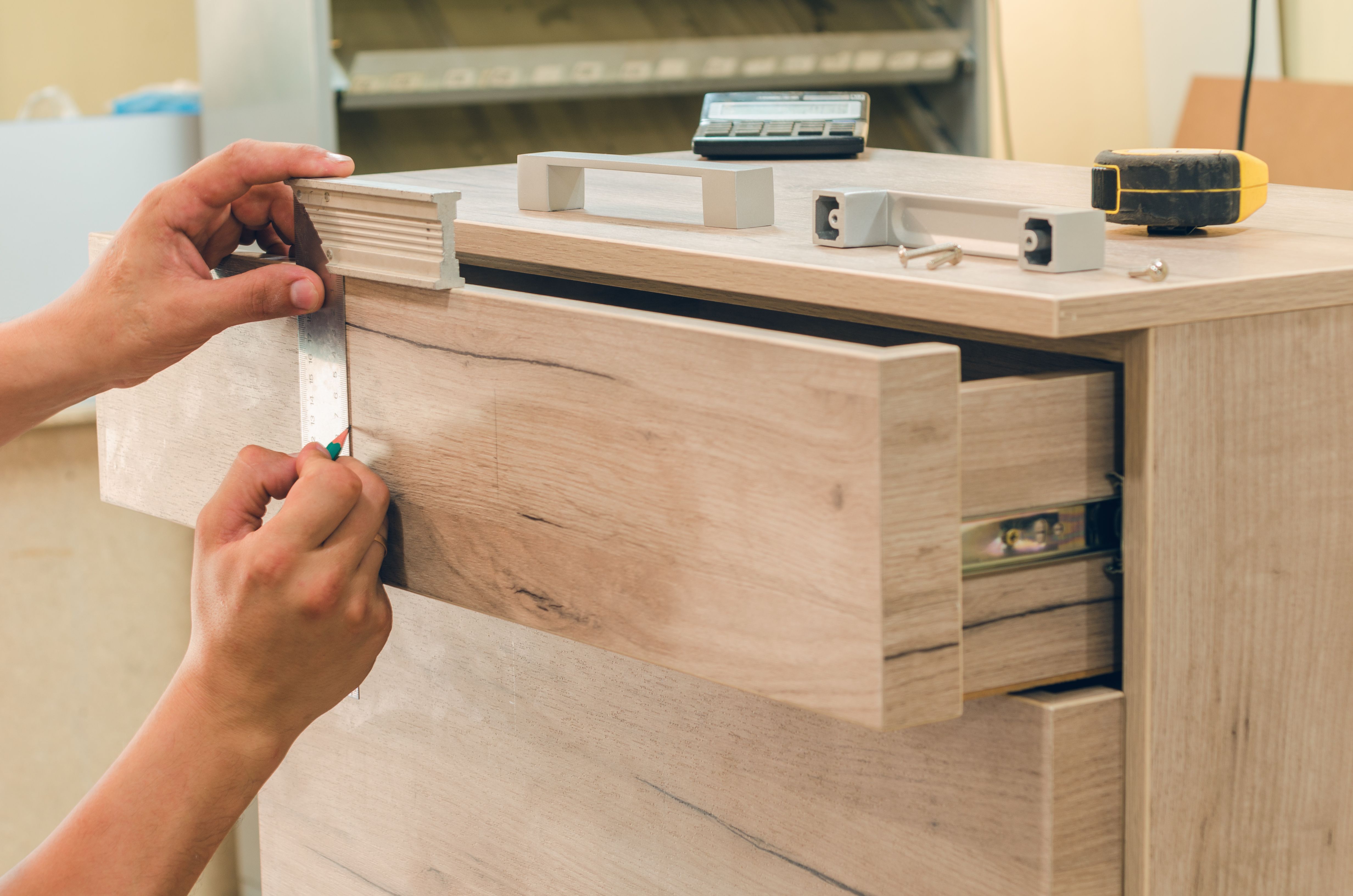
Hiring a professional carpenter can save you time and ensure a high-quality finish. Professionals bring years of experience and expertise to the table, which means they can often complete projects more efficiently than a DIY enthusiast. Additionally, they have access to specialized tools and materials that might be cost-prohibitive for a one-time project.
Professional carpenters also understand building codes and regulations, ensuring that your project is not only aesthetically pleasing but also safe and up to standard. This can be particularly important for structural work or intricate custom designs.

Cost Considerations
One of the main reasons people choose DIY over hiring a professional is cost. Doing it yourself can indeed save money on labor, but it's essential to account for the cost of materials and tools. In many cases, the initial investment in quality tools can be significant.
On the other hand, while hiring a professional may seem more expensive upfront, it can be more cost-effective in the long run. Professionals can often source materials at a lower cost and complete the work faster, reducing the overall expense.
Time and Effort
Consider the amount of time you can realistically dedicate to your carpentry project. DIY projects can be time-consuming, especially if you're learning as you go. Detailed planning and execution can take weeks or even months, depending on the complexity of the project.
Professionals, in contrast, have the experience to streamline the process and complete tasks more quickly. If your time is limited, hiring a professional might be the better choice.
Quality and Precision
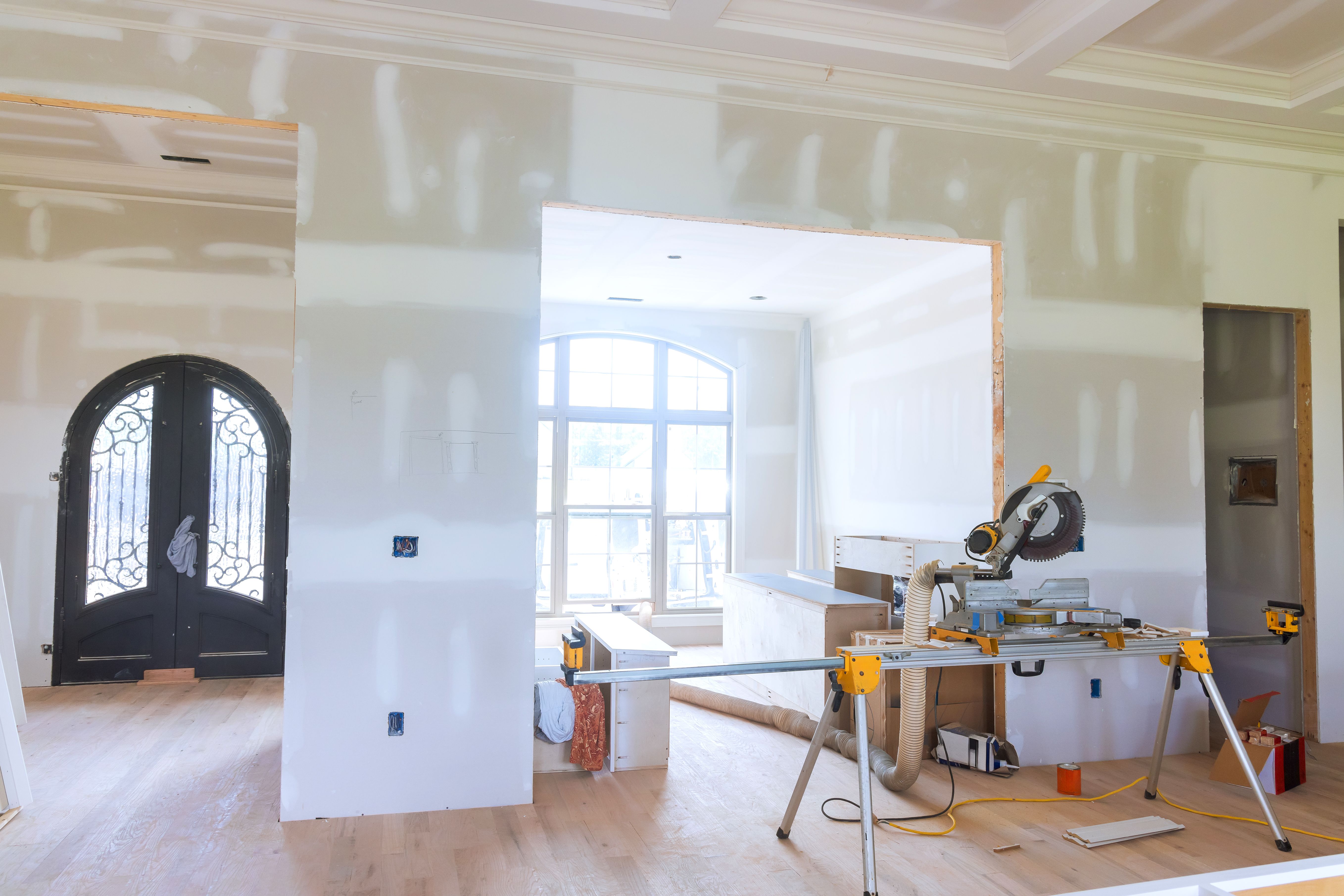
The quality of the final product is another critical factor. DIY projects, while rewarding, might not always meet professional standards, especially if you're new to carpentry. Mistakes can lead to additional costs and time spent on corrections.
Professional carpenters deliver precision and quality that come from years of practice. If the project requires high levels of accuracy and craftsmanship, a professional might be worth the investment.
Making the Right Choice for Your Project
Ultimately, the decision between DIY and professional carpentry depends on your specific needs, skills, and resources. Consider the scope and complexity of the project, your budget, and the time you have available.
For minor projects or if you're looking to develop a new skill, DIY might be the way to go. For more significant, complex tasks, or if you desire a flawless finish, hiring a professional can provide peace of mind and high-quality results.