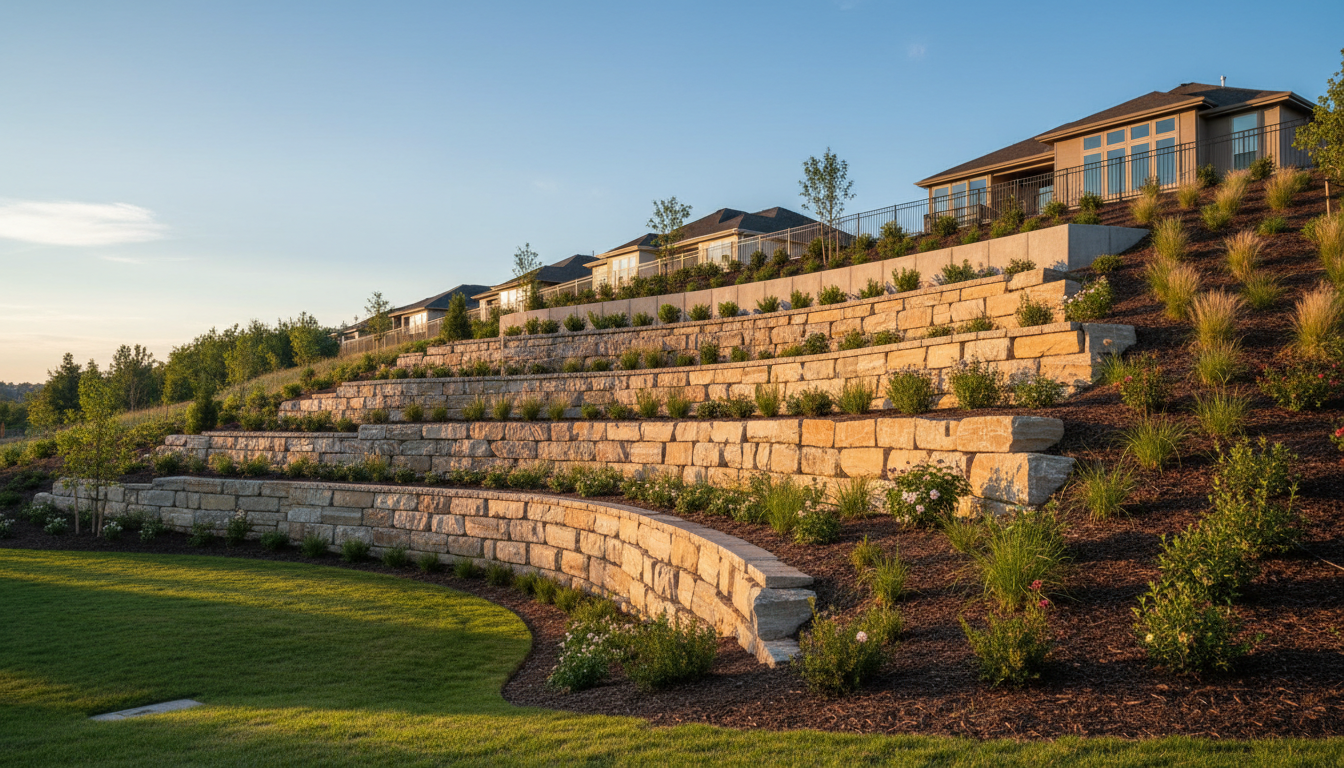
How to Build a Retaining Wall in Blue Ridge, GA: A Step-by-Step Guide


Building a retaining wall can be a great way to enhance your landscape, prevent erosion, and add a touch of elegance to your property. If you're in Blue Ridge, GA, you're in a region known for its picturesque landscapes and rolling hills, making retaining walls a practical and aesthetic addition. Here’s a step-by-step guide to help you build a retaining wall that will stand the test of time.
Understanding the Basics
Before starting your project, it's essential to understand what a retaining wall is and why it's necessary. A retaining wall holds back soil and prevents erosion, making it ideal for sloped areas. It's a functional yet beautiful addition to any yard, especially in the hilly terrain of Blue Ridge.
Materials for retaining walls vary, with choices including stone, brick, and concrete blocks. Each material has its own aesthetic and structural benefits, so choose according to your specific needs and budget.
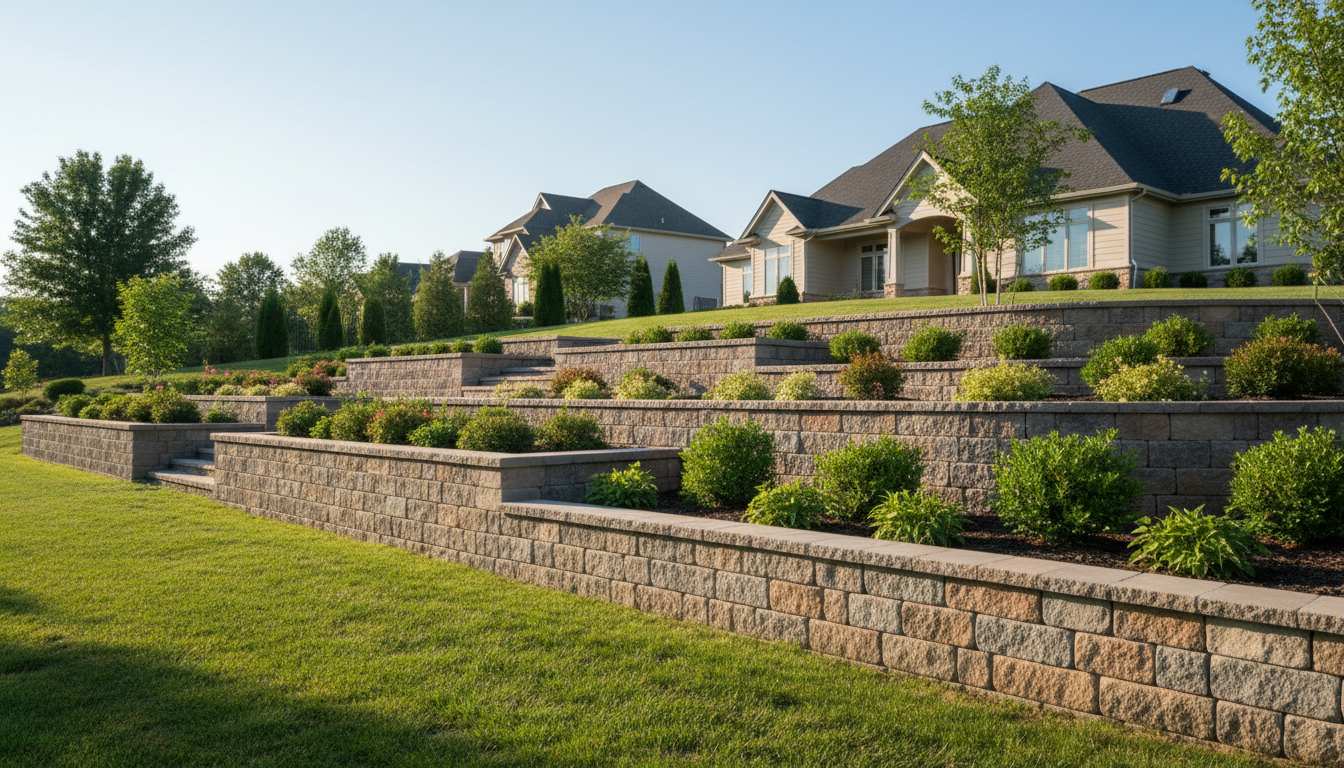
Planning Your Retaining Wall
Planning is a crucial step in building a retaining wall. Start by determining the location and size of your wall. Consider factors like drainage, soil type, and proximity to other structures. It's also wise to check local building codes or consult with a professional to ensure compliance with regulations.
Design Considerations
Think about the design of your retaining wall. Do you want a straight or curved wall? How high should it be? Remember, walls over four feet may need additional support or professional input. Sketch your design to visualize the final look.
Gathering Tools and Materials
Once your plan is in place, gather the necessary tools and materials. You'll need:
- Shovel
- Level
- Tape measure
- Gravel
- Sand
- Retaining wall blocks or stones
Having all materials ready will streamline the building process and help you avoid unnecessary delays.
Building the Foundation
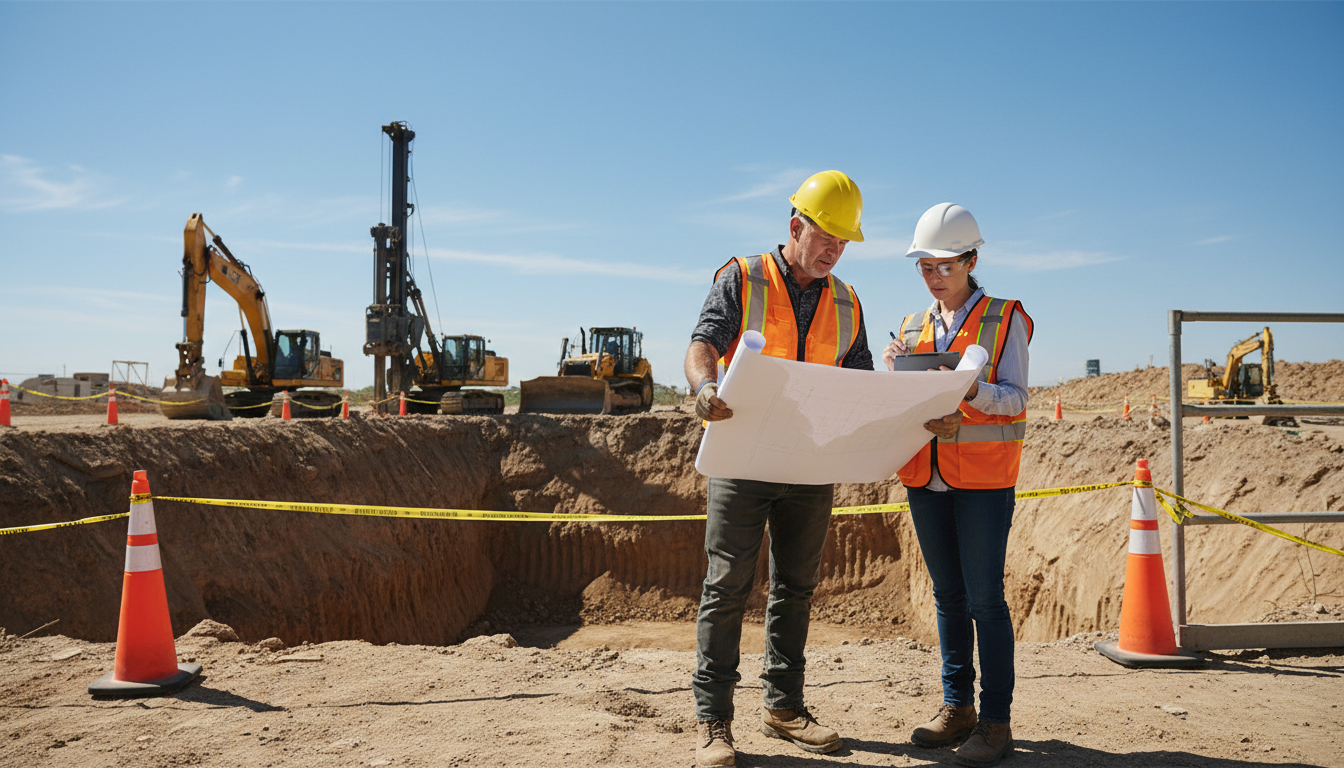
The foundation is the most critical part of your retaining wall. Begin by digging a trench where your wall will be placed. The depth should be approximately one-eighth the height of the wall. Fill the trench with gravel and compact it to form a stable base. This step ensures the longevity and stability of your wall.
Laying the First Course
Start laying your first row of blocks or stones on the compacted gravel. Use a level to ensure each piece is even. This first course needs to be perfect, as it sets the foundation for the entire wall. Adjust as necessary to maintain a straight and level base.
Building Up the Wall
Continue stacking the blocks or stones, ensuring each layer is staggered with the one below it for stability. Backfill with gravel as you go, adding layers of sand or soil to fill gaps and support the structure. This technique helps in managing water and preventing pressure buildup behind the wall.
Incorporating Drainage
Proper drainage is crucial for the stability of your retaining wall. Consider installing a drainage pipe at the base to channel water away from the wall. This step prevents water accumulation, which can destabilize the structure over time.
Finishing Touches
Once your wall is built, add the finishing touches. This might include planting vegetation along the wall to enhance its aesthetic appeal. Choose plants that thrive in the Blue Ridge climate for a natural look that complements your landscape.
With careful planning and execution, you can build a retaining wall that not only serves a practical purpose but also enhances the beauty of your property. Enjoy the process and the new dimension it adds to your outdoor space.