
Local Regulations You Need to Know Before Starting a Home Addition in GA


Embarking on a home addition project in Georgia can be an exciting endeavor. However, before you break ground, it's crucial to be aware of the local regulations and requirements that can impact your plans. Understanding these rules will not only save you time and money but also ensure your project proceeds smoothly.
Building Permits and Approvals
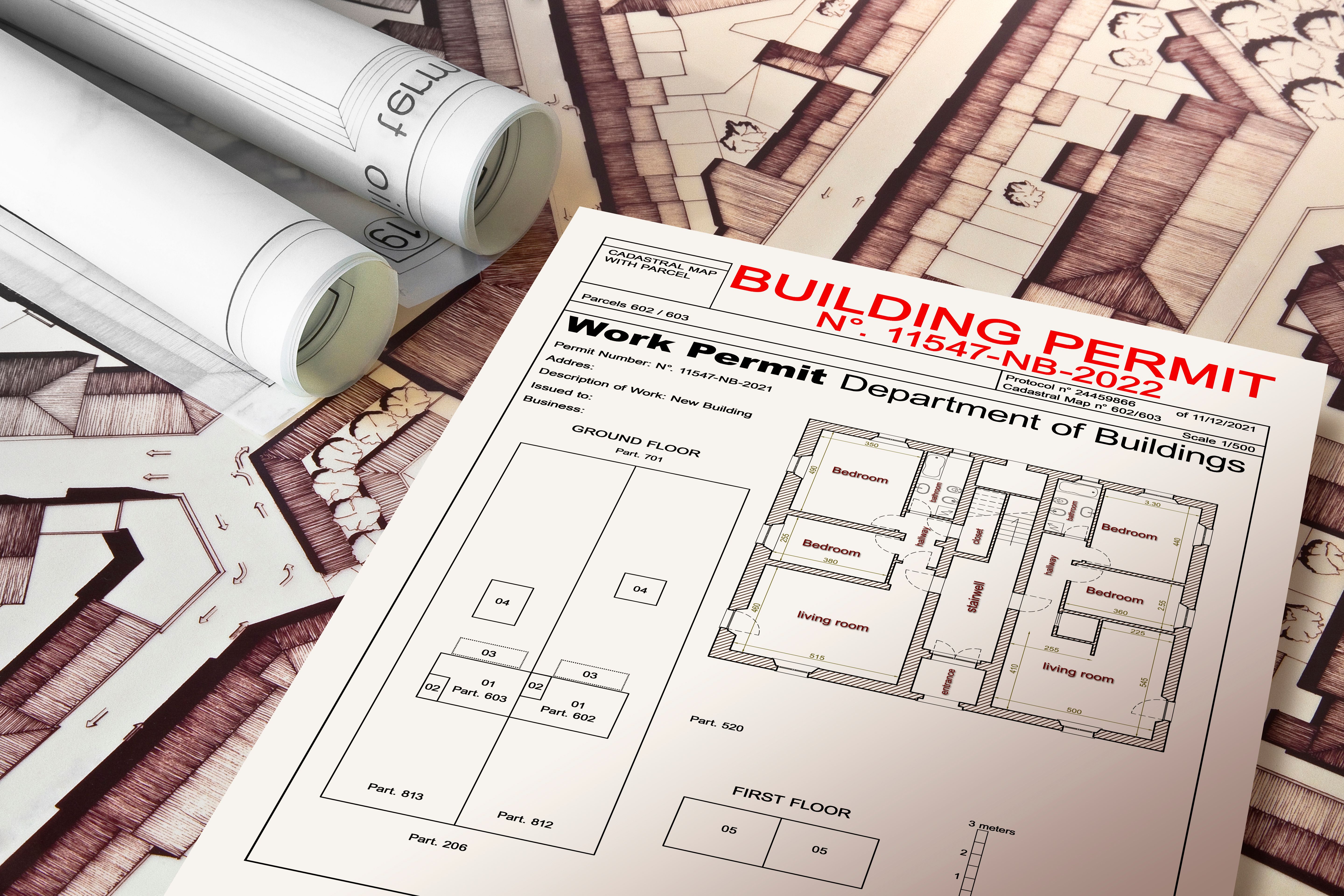
One of the first steps in your home addition journey is obtaining the necessary building permits. In Georgia, most home additions will require a permit from your local building department. This process typically involves submitting detailed plans and paying a fee. Make sure your plans comply with local building codes and zoning laws to avoid any delays.
Zoning Laws and Restrictions
Zoning laws determine how land can be used in different areas. Before starting your project, check if your property is subject to any specific zoning regulations. Some areas may have restrictions on building height, lot coverage, and the types of structures allowed. It's essential to verify these regulations to ensure your addition is compliant.
Property Setbacks and Easements
Property setbacks are the minimum distances your addition must be from your property lines. Georgia has specific setback requirements that vary by location and type of property. Additionally, be mindful of any easements on your property, which may restrict where you can build. Easements are areas designated for utilities or access that must remain unobstructed.

Homeowner Association Rules
If your property is part of a Homeowner Association (HOA), there may be additional rules you need to follow. HOAs often have guidelines regarding architectural styles, materials, and colors. Review your HOA's covenants, conditions, and restrictions (CC&Rs) to ensure your project aligns with their standards.
Environmental Considerations
Georgia has various environmental regulations to protect the natural landscape. If your property is near wetlands, waterways, or protected areas, you might need special permits or adhere to specific construction practices. It's wise to consult with an environmental expert if your project could impact these sensitive areas.

Historic District Regulations
If your home is located within a historic district, additional regulations will likely apply. These areas have strict guidelines to preserve the architectural integrity and historic value of the neighborhood. You may need to work closely with the local historic preservation commission to gain approval for your plans.
Hiring Licensed Professionals
Given the complexity of these regulations, hiring licensed professionals can be a smart move. Architects, engineers, and contractors familiar with Georgia's local laws can help ensure your project is designed and executed correctly. They can also assist in navigating the permitting process efficiently.
By understanding and adhering to these local regulations, you can avoid unnecessary challenges and enjoy a successful home addition in Georgia. Remember, careful planning and compliance are key to transforming your home while maintaining harmony with local laws and community standards.