
Preparing Your Home for Winter: Expert Tips


Inspect and Seal Windows and Doors
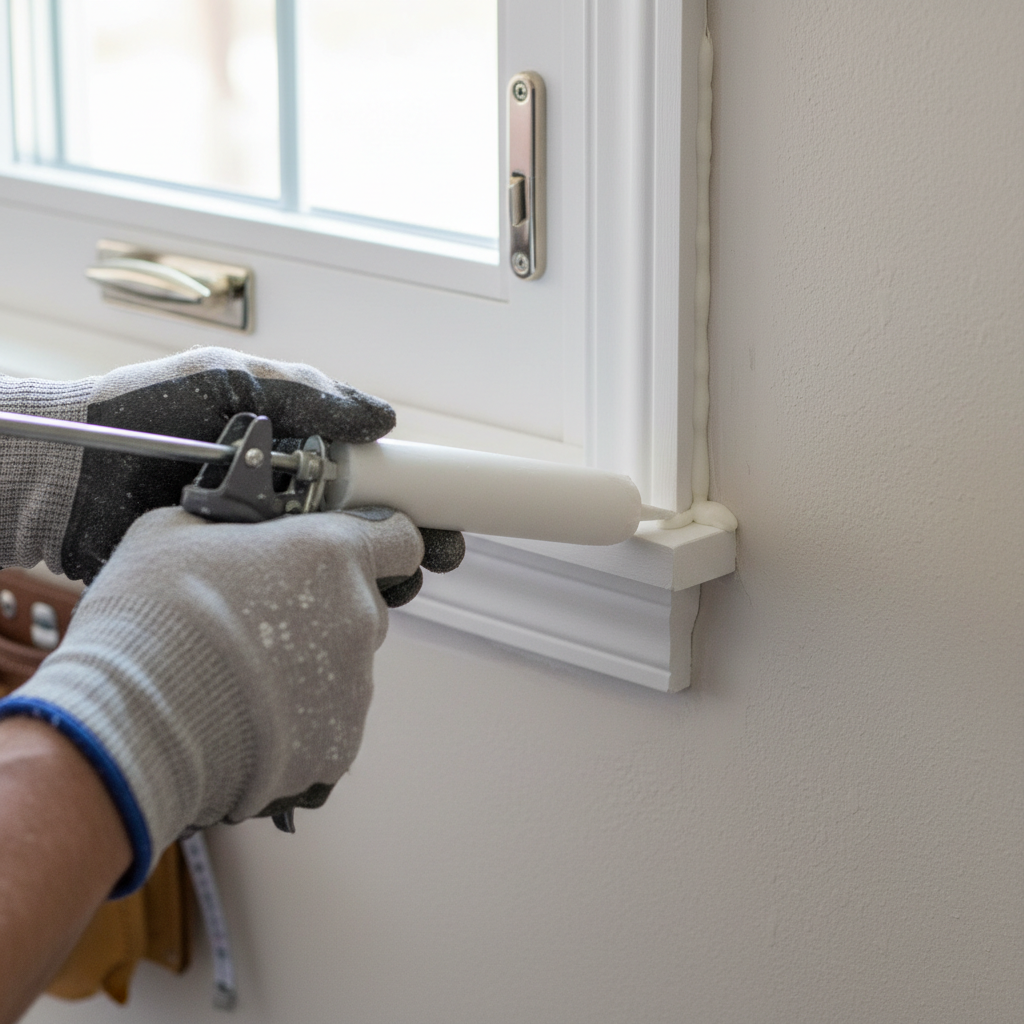
As the temperature drops, one of the most critical steps in preparing your home for winter is to inspect and seal windows and doors. Drafts can significantly increase heating costs, so it's essential to ensure that all entry points are tightly sealed. Use weather stripping or caulk to seal gaps and prevent cold air from entering your home.
Check Your Heating System
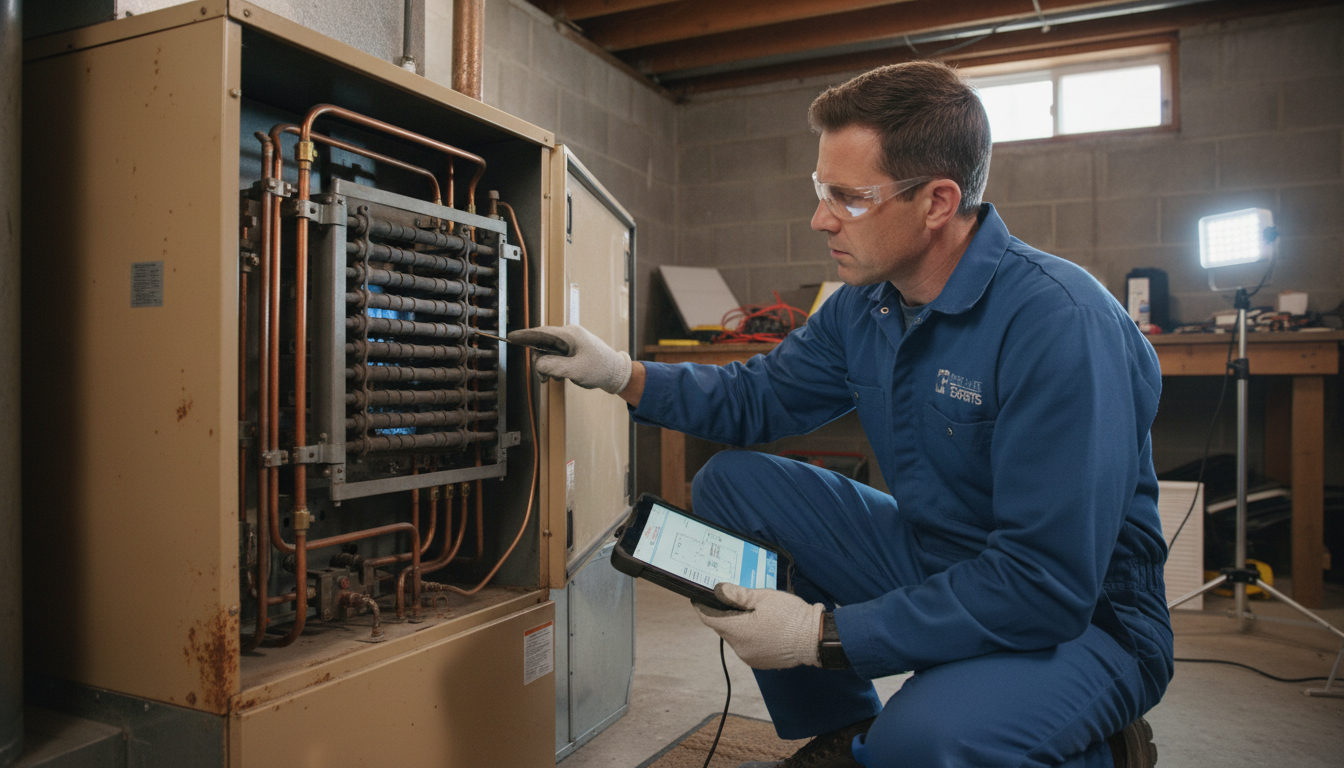
Before winter sets in, have your heating system inspected by a professional. This ensures it's running efficiently and safely. Replace filters regularly and consider upgrading to a programmable thermostat. This simple device can help reduce energy consumption by adjusting the temperature according to your schedule.
If you use a fireplace, make sure it's clean and the chimney is free of obstructions. Regular maintenance not only improves efficiency but also reduces the risk of fire hazards.
Prepare Your Plumbing
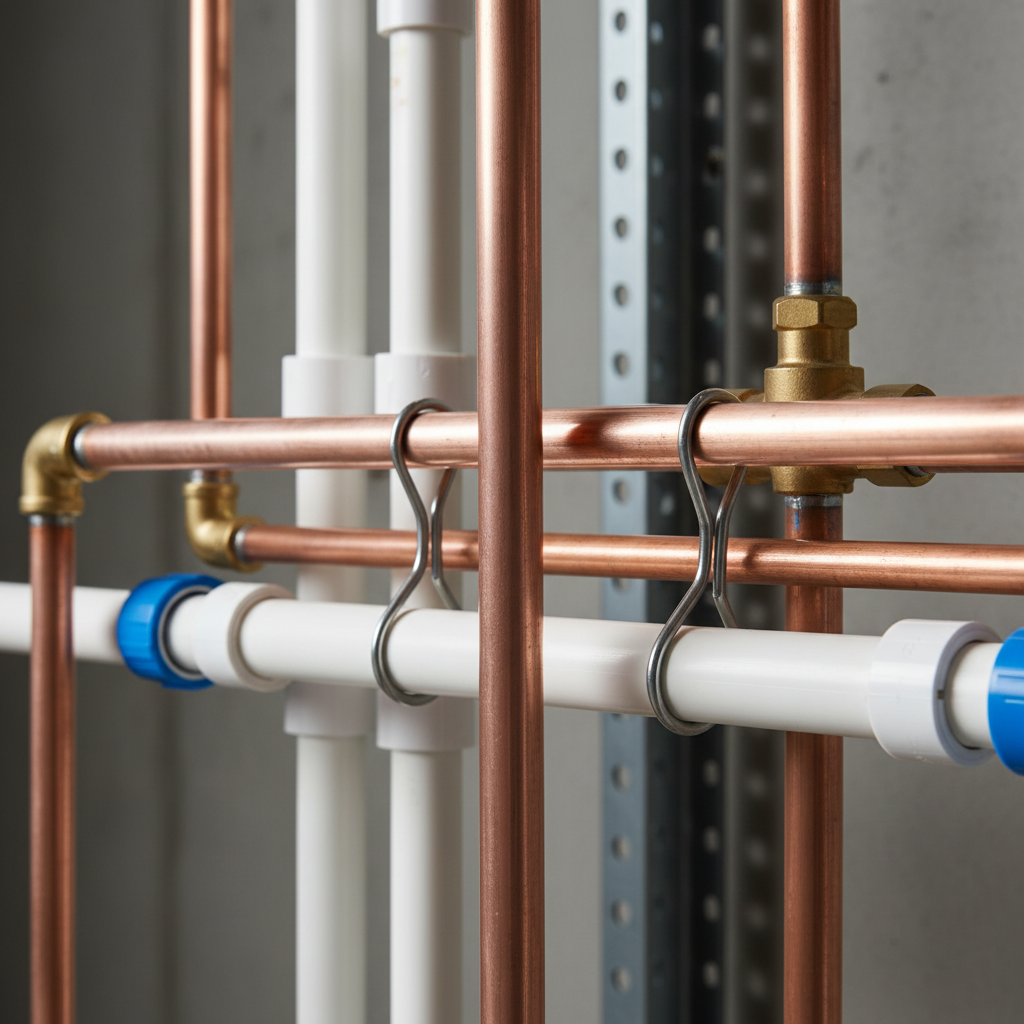
Frozen pipes can cause significant damage during winter. To prevent this, insulate pipes in unheated areas and disconnect garden hoses. It's also wise to locate the main water valve in case you need to turn it off during an emergency.
Consider installing heat tape or pipe sleeves for extra protection. These inexpensive solutions can save you from costly repairs down the line.
Enhance Your Home’s Insulation
Proper insulation is key to keeping your home warm and energy-efficient. Check the insulation in your attic, walls, and basement. Adding additional insulation can drastically reduce heat loss and lower your energy bills.
Don't forget the floors. Use rugs or carpets to add an extra layer of insulation and keep your feet warm during the chilly months.
Outdoor Preparations
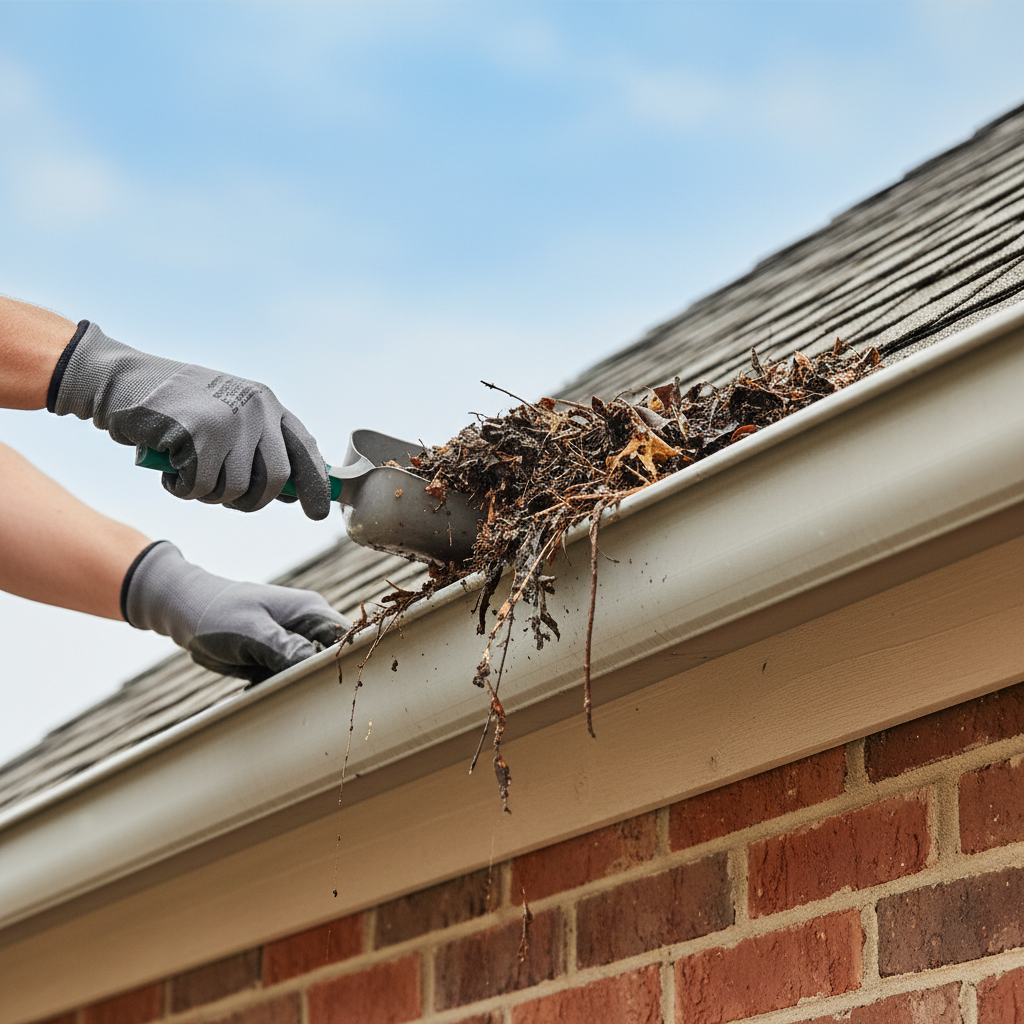
Preparing the exterior of your home is just as important. Clean gutters and downspouts to prevent ice dams, which can cause water damage. Trim tree branches that could potentially fall during a storm and damage your property.
Stock Up on Winter Supplies
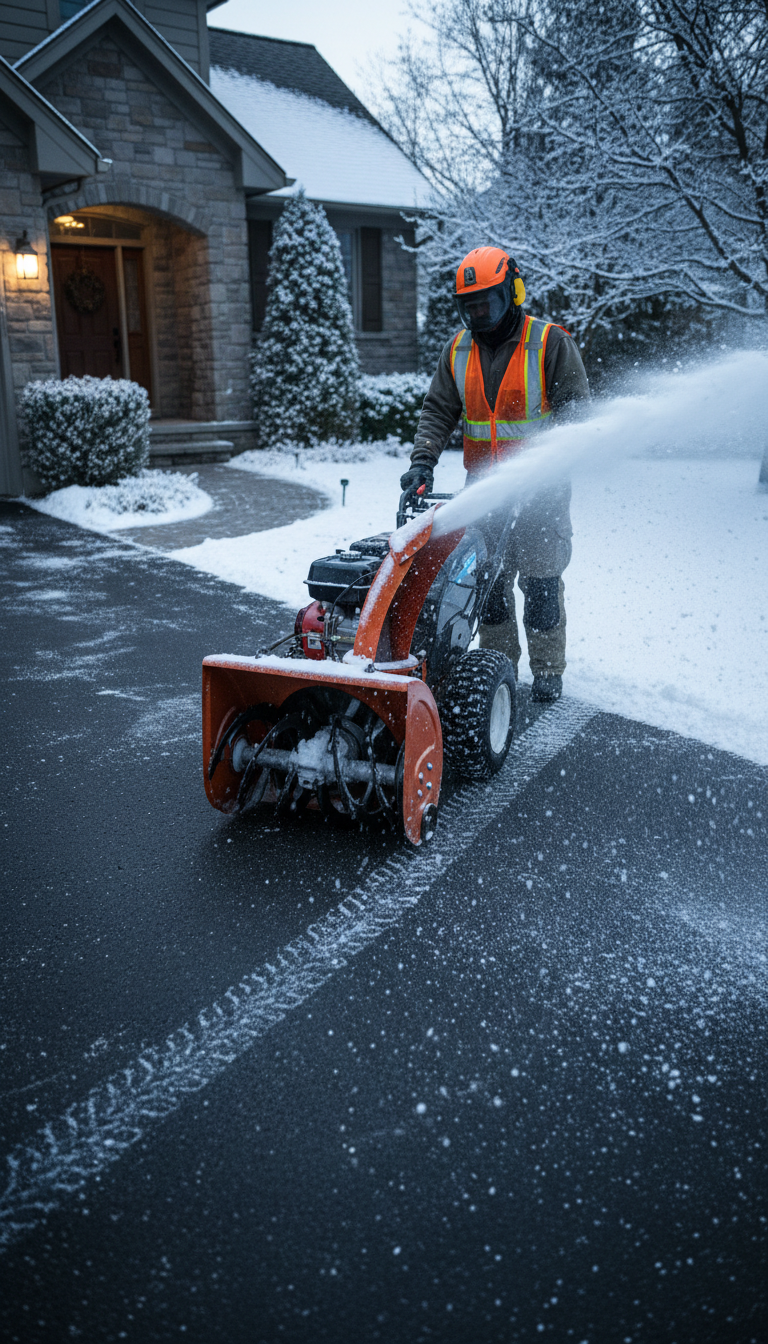
Ensure you have all necessary supplies before the first snowstorm hits. This includes snow shovels, ice melt, and emergency kits. It's also a good idea to have extra blankets and a supply of non-perishable food items in case of power outages.
Regularly check your smoke and carbon monoxide detectors to ensure they are functioning correctly. These devices are crucial for maintaining safety during the winter months.
Maintain Your Roof
Your roof is your first line of defense against the elements. Inspect it for any loose or missing shingles and repair them promptly. Consider installing a roof rake to prevent snow buildup, which can lead to ice dams and leaks.
Keep an eye on your attic ventilation as well. Proper airflow helps prevent moisture buildup, which can damage your roof and insulation.

Consider Energy Efficiency Upgrades
Winter is the perfect time to think about energy efficiency upgrades. Consider replacing old windows with energy-efficient models or adding storm windows for extra insulation. These upgrades not only improve comfort but also increase the value of your home.
By taking these proactive steps, you can ensure your home is well-prepared for the winter months, keeping your family safe and comfortable while reducing energy costs.