
The Ultimate Guide to Concrete Pad Installation in Fannin County


Concrete pad installation is an essential part of many construction projects in Fannin County, offering a durable and stable foundation for various structures. Whether you're planning to build a patio, shed, or garage, understanding the installation process is crucial for ensuring a long-lasting result.
Planning Your Concrete Pad
Before diving into the installation, proper planning is key. Start by determining the size and thickness of your concrete pad based on its intended use. For most residential projects, a thickness of 4-6 inches is sufficient. However, if the pad will support heavy machinery or vehicles, consider increasing the thickness.
Next, check local building codes and obtain any necessary permits. Fannin County may have specific regulations that you need to follow. It's also wise to consider the location of the pad to ensure proper drainage and avoid water pooling.
Gathering Materials and Tools
Having the right materials and tools on hand will make the installation process smoother. You'll need concrete mix, gravel, rebar or wire mesh for reinforcement, wooden stakes, and form boards. Essential tools include a shovel, level, trowel, wheelbarrow, and concrete mixer.

Preparing the Site
Begin by marking the area where the concrete pad will be installed. Use wooden stakes and string to outline the perimeter. Once marked, excavate the area to the required depth, ensuring that the base is level. Add a layer of gravel to facilitate drainage and compact it thoroughly.
Set up the form boards along the perimeter, securing them with stakes. Make sure the forms are level and the corners are true right angles. Reinforce the area with rebar or wire mesh to add strength to the finished pad.
Pouring and Finishing the Concrete
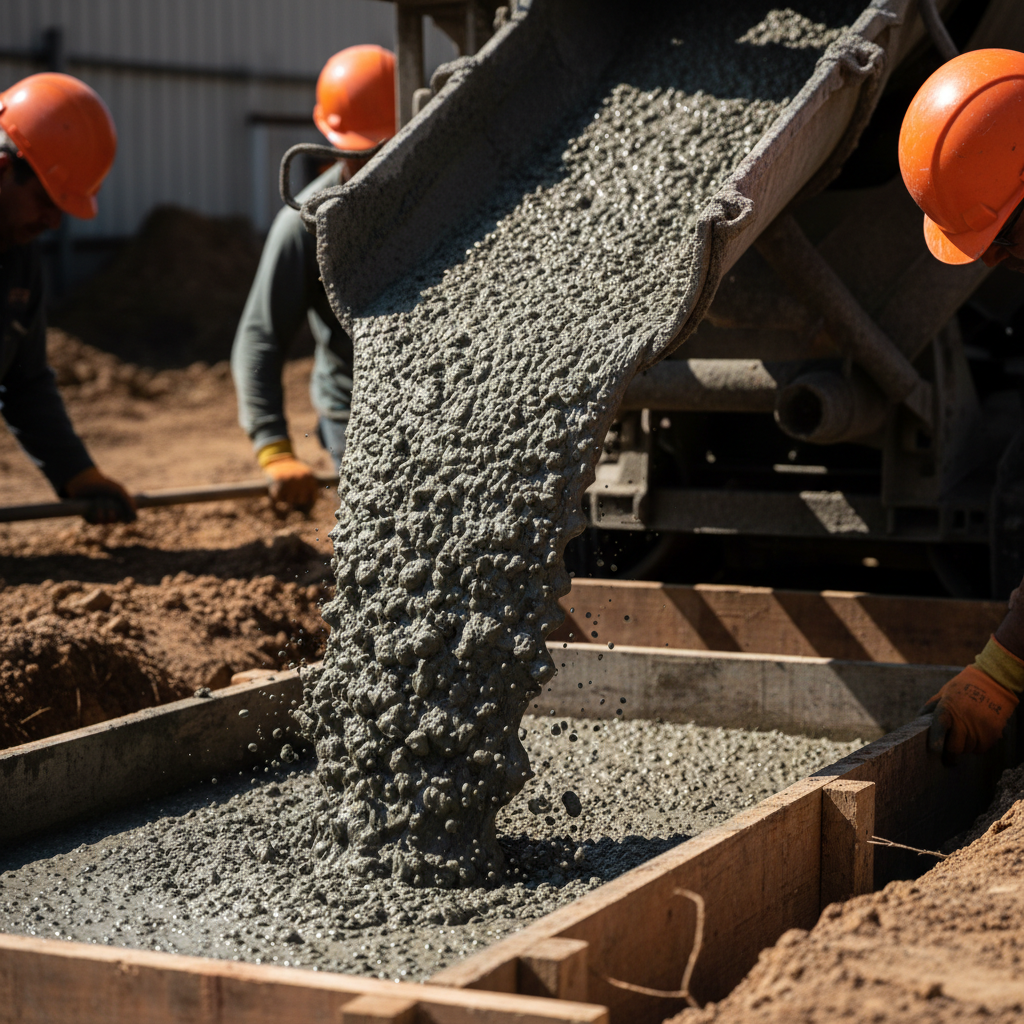
With the site prepared, it's time to mix and pour the concrete. Follow the manufacturer's instructions for mixing, ensuring a uniform consistency. Pour the concrete into the forms, starting at one end and working your way to the other. Use a shovel to distribute the mix evenly.
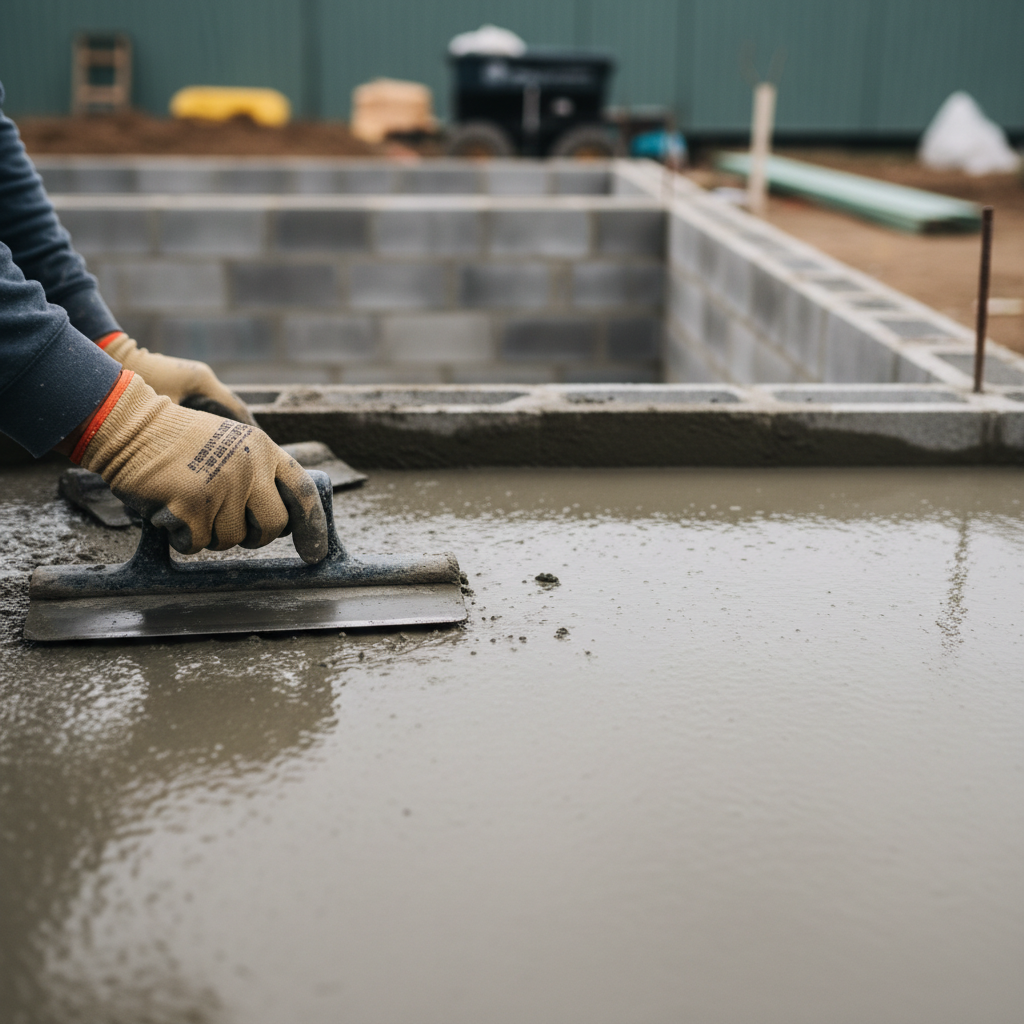
As the concrete fills the forms, use a trowel to smooth the surface. Work in sections, using long, even strokes. Once leveled, create a non-slip surface by brushing with a stiff broom. This step is especially important for outdoor pads exposed to weather elements.
Curing and Maintenance
Proper curing is vital for the strength and durability of the concrete pad. Keep the surface moist for at least a week, either by covering it with burlap or using a curing compound. Avoid heavy traffic on the pad during this time to prevent cracking.
Regular maintenance will prolong the life of your concrete pad. Seal the surface every few years to protect against moisture and freeze-thaw cycles. Promptly address any cracks or chips to prevent further damage.
By following these steps, you can achieve a reliable and sturdy concrete pad suitable for various applications. Whether for a simple patio or a robust garage floor, careful planning and execution make all the difference in your construction project.