
Understanding the Benefits of Retaining Walls: Design and Functionality


Understanding the Benefits of Retaining Walls
Retaining walls are a crucial element in landscaping and construction, offering both functional and aesthetic benefits. These structures are designed to hold back soil, preventing erosion and managing water runoff. As a result, they can transform uneven terrains into usable, attractive spaces.
Design Flexibility
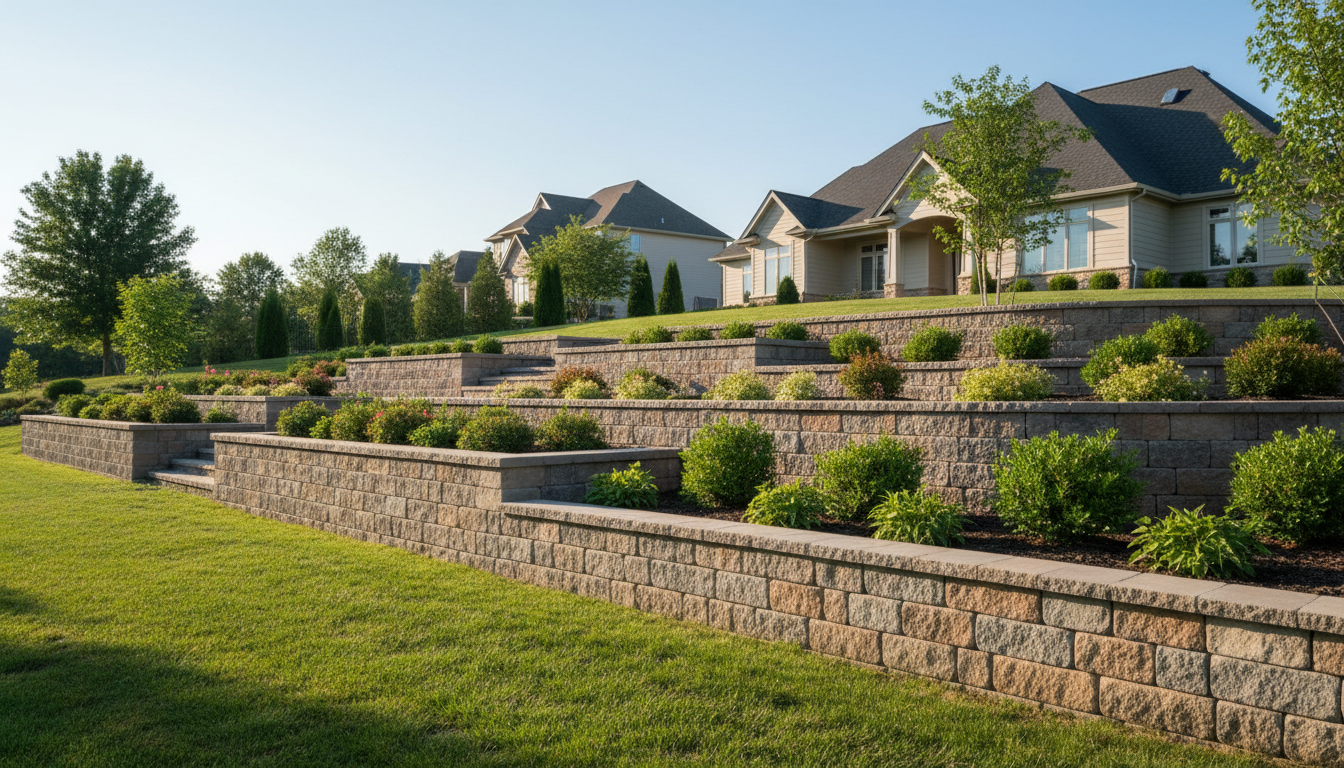
One of the key advantages of retaining walls is their design flexibility. They can be crafted from a variety of materials such as stone, concrete, or wood, each offering a unique aesthetic and functional quality. This allows homeowners and businesses to match the retaining walls with existing architecture or landscape features.
Moreover, retaining walls can be customized to fit specific needs, whether it's a small garden wall or a large structure for commercial use. The design possibilities are vast, enabling creative solutions for challenging landscapes.
Functional Advantages
Beyond aesthetics, retaining walls serve essential functions. They are instrumental in preventing soil erosion, a common problem in areas with uneven terrain or heavy rainfall. By holding back soil, these walls help maintain the integrity of the landscape.

Additionally, retaining walls can aid in water management. By directing water flow, they prevent flooding and reduce water accumulation in unwanted areas. This not only protects properties but also contributes to environmental sustainability.
Increased Property Value
Investing in retaining walls can significantly enhance property value. A well-designed retaining wall not only improves the functionality of a space but also adds to its visual appeal. This dual benefit can make a property more attractive to potential buyers, providing a substantial return on investment.
Durability and Low Maintenance
Retaining walls are built to last. When constructed with quality materials and proper techniques, these structures can withstand harsh weather conditions and remain effective for decades. This durability translates to low maintenance costs, as retaining walls require minimal upkeep once installed.
Environmental Benefits
Retaining walls contribute positively to the environment. By preventing soil erosion, they protect local ecosystems and reduce sedimentation in waterways. Moreover, they can be designed to promote biodiversity by incorporating green spaces or planting areas.
In conclusion, retaining walls offer a blend of design and functionality that is hard to match. Whether for residential or commercial purposes, these structures provide numerous benefits that enhance both the usability and aesthetics of outdoor spaces.